Blog Post 4: Technology in the Classroom

This semester, I have had the opportunity to complete my observation hours in a second grade classroom at Millridge Elementary School in Mayfield Heights, Ohio. During my time in the classroom, I interact with the students, help the teacher and students as needed, complete various assessments on a focal student, and teach a math lesson.

I work as a Camp Supervisor during the Spring, Winter, and Summer seasons when the kids are off from school. During the school year, I babysit three children and complete observation hours in various settings. Throughout my three years of experience, I have noted how much kids use technology in their daily lives nowadays. Coming into my observations this semester, I was interested to see how technology would be used in a suburban elementary school setting.

Prior to the start of my observation hours, I had a sit-down conversation with my cooperating teacher. She explained to me that technology is heavily used in the classroom. The most prominently-used websites used are Lexia, Epic!, and Reflex. Lexia provides explicit, systematic, personalized learning in the six areas of reading instruction and targeting skill gaps as they emerge. My teacher likes Lexia because it provides her with data and student-specific resources she needs for individual or small-group instruction. Lexia also tells my teacher what reading level her students are at. My teacher was proud to note that all of her students are at or above the second grade reading level, which came from data collected by Lexia.

Epic! is also used frequently in the classroom. Epic! is an online children’s book service that offers on-demand access to over 25,000 high-quality illustrated books and chapter books for children ages 12 and under. The students use this website during independent reading time, and for research during group work. I asked a student for their thoughts on Epic!, and they responded that they love the site because there are so many books that they could read.

Reflex is a website that builds math fact fluency, which helps for success in this subject. Kids gain fluency by learning “fact families,” in which they focus on a set of facts for a group of numbers. Subtraction and addition are paired and taught together. My teacher told me that it took her a while to figure out this program, but once she got it down she fell in love with it! She told me that her students’ math scores have never been higher, and Reflex allows her students to practice various types of math problems.

In the afternoon, the class has “snack and a movie” time. The teacher projects a digital story on the board, and the students watch it as they eat their snack. Each story is roughly 10-12 minutes, and my teacher told me that it is a good down time activity. The students have a hard time working on anything else as they eat, so playing a digital story is the perfect solution.

Each classroom at Millridge Elementary School has a class set of laptops. The laptops have a number, and the student with the corresponding number will use that laptop throughout the year. There are also three computers that the students may choose to work on, as long as they take turns.

Bridget Dalton’s Multimodal Composition and the Common Core State Standards depicts how one can take advantage of flexible digital texts, tools, and media to scaffold the learning needs and interests of students. The article states, “the flexibility of digital tools and media offers new options for scaffolding students’ composing and production. When introducing a new composing skill or technical tool, think about how to constrain the larger composing tease so that students are able to focus attention on the new thing to play with and learn” (pg. 336). Scaffolding is a teaching method that enables a student to achieve a goal through a gradual shedding of outside assistance. All of the websites depicted above use scaffolding to allow the students to achieve a learning goal in the subjects of math and reading. The use of technology in the classroom can be very helpful due to its engaging and interactive factors through scaffolding.

I also asked my students about their uses of digital and social media outside of school. Many of the students have access to tablets and their parents’ smart phones, in which they play various games via apps. The most popular games I noted were MineCraft and Roblox. Since the students are seven and eight-years old, they do not have social media accounts such as Facebook or Twitter, but use different apps, such as MineCraft and Roblox, to socialize with their friends. Many of these students also use Epic! at home to read before bed or during free time.

I believe that social media could be a way of digital storytelling. Students can share their interests and stories with their peers through technology. However, this would be a non-educational way of using digital storytelling. When digital storytelling is used in the classroom, the teacher can observe progress and note of any scaffolding that is occurring. I believe that digital storytelling is an impactful way for students to gain knowledge, and my classroom at Millridge Elementary Schools has the resources to do so. The use of technology in the classroom allows for impactful learning, growth, and creativity.

Blog Post 2c

Connection to Readings: Part 1

Mind Shift: Guide to Digital Games + Learning discusses the many aspects of learning and the future of education, and how digital games have become a crucial tool in education. In fact, the article states, “not exploring, updating, and reinventing our teaching strategies can cause us to miss valuable opportunities to reach students. We all chose teaching because we love it, and a good teacher is constantly motivated to improve the classroom experience” (pg. 19). The world of education is always changing, and we live in a technological time. By using technology in the classroom, teachers and students can stay up to date.

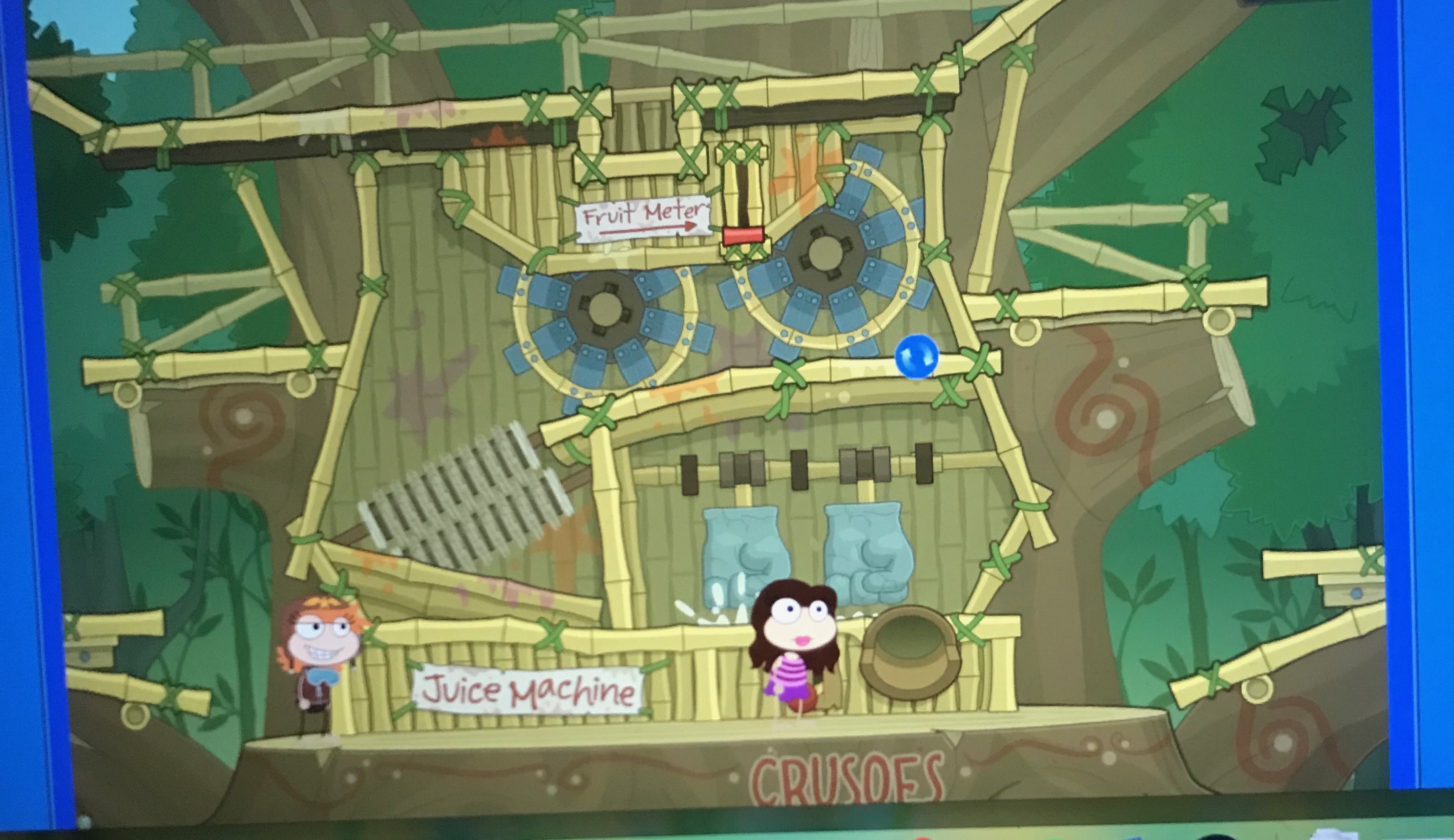
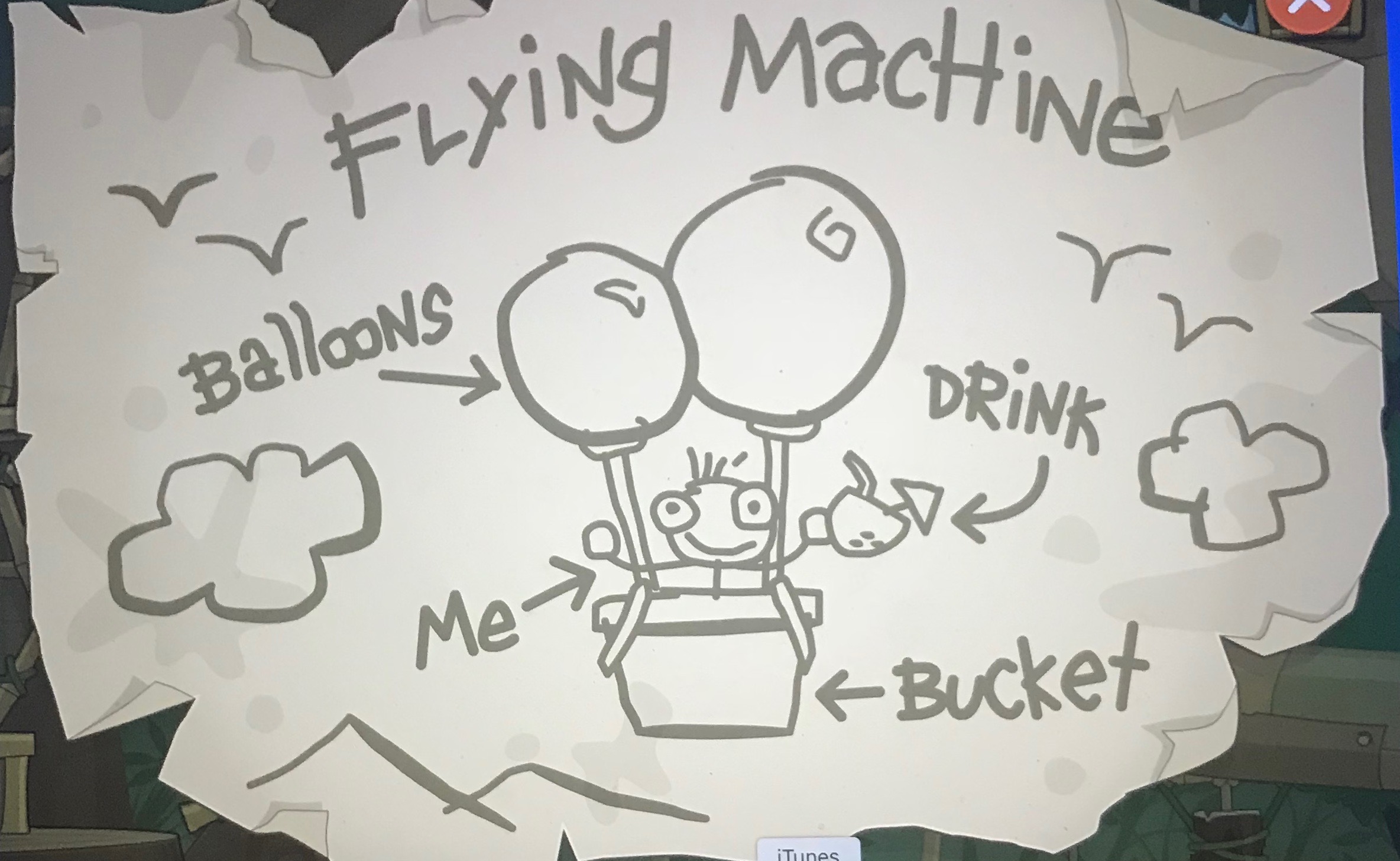
I believe that Poptropica is a game that uses information “on demand” and “just in time”. According to the article, information “on demand” and “just in time” means that people use verbal information only when needed. As I was playing the game, I noted how it gave me instructions as I went along with my various tasks. I could also click on other characters, who would answer my questions. Poptropica consists of directions while playing, and states exactly what needs to be done at each step of the adventure.

 Connections to Readings: Part 2

Chapter 4 of Good Video Games, the Human Mind, and Good Learning depicts two important aspects of technology in education. First, good video games depict a technology that illuminates how the human mind works. Second, good video games consist of good learning principles and have much to do with teaching individuals about learning both in and out of the classroom.

Good video games depict a technology that illuminates how the human mind works. The article states, “for humans, effective thinking is more like running a simulation than it is about forming abstract generalizations cut off from experiential realities. Effective thinking…can afford the opportunity for actions that will lead to a successful accomplishment of the actor’s goals” (pg. 25). Video games allow for this stimulation because they externalize the search for affordances for a match between the character and the world.

In Poptropica, the player can learn to see the world in a way that will afford the actions that are needed to accomplish the goals. The player learns about the task they need to complete, and act toward achieving said task. This allows for the player to feel a sense of accomplishment through the production of their knowledge to solve deep problems. Completing a task on Poptropica can make the player feel proud and accomplished.

This chapter also argues that good video games consist of good learning principles and have much to do with teaching individuals about learning in and out of school. It states, “game designers can make worlds where people can have meaningful new experiences, experiences that their place in life would never allow them to have or even experiences no human has ever had before. These experiences have the potential to make people smarter and more thoughtful” (pg. 29).

Poptropica allows for its players to have meaningful experiences. Players can explore a large variety of islands that consist of different themes, educational values, and experiences. The tasks that must be completed in each world are those that the player would not find in the real world. This allows for the player to think outside of the box, which can make them smarter and more thoughtful.

Blog Post 2b

About the Game

Poptropica is an online role-playing game. It was developed by Pearson Education’s Family Education Network and targets children aged 6 to 15. As an early childhood education major, this game targets the age that I wish to work with after graduation.

First, the player must create an account. They will come up with a username, password, and an avatar. The player can make their character look however they want. Personally, I always tried to make it look like me. The game automatically saves while playing, so the player can stop their game and later proceed as needed. In the game, the player travels to different islands. Each island has a different game quest scenario. The player can also compete in multiplayer games and communicate with their peers. The islands range in difficulty, but overall center on a problem that the player must resolve by completing obstacles and goals. Players can earn “Poptropica credits” and Medallions after completing these obstacles and goals, which can be used to buy costumes and special effects in the Poptropica store.

The game first launched in 2007, and only had one island, Early Poptropica Island. As of 2017, Poptropica has 58 islands that one can travel to, all of which having a different theme. The player can also replay islands and still keep track of all the Medallions they have earned.

Poptropica also features different mini games that users can play with other players. Games include Sudoku, Switch, Hoops, Sky Dive, Paint War, Star Link, Balloons, Soupwords, and Pathwise. The game keeps track of how many times the player wins or loses a mini-game. There is also educational value to each of these games as they require the player to think, spell and read, and understand math problems. The difficulty can be adjusted depending on the age of the child.

Fun Facts About The Game

Poptropica was listed on Time Magazine’s list of 50 websites that make the web great. Time described it as “an inventive megabit for kids with a wholesome and educational bent”

By 2012, Poptropica had grown to have over 500 million registered users.

In May 2015, Poptropica had over 3.2 million monthly users in 200 different countries.

The creator of the game, Jeff Kinney, was also the creator of the Diary of a Wimpy Kid series.


Blog Post 2a

Lived Video Game Experience

Growing up, I had a younger brother who loved to play video games, and I would sometimes play with him. Our favorite games included COD Zombies, Grand Theft Auto, Guitar Hero, and anything related to Mario and Luigi. Today, I enjoy playing games such as Sims and Fortnite (although I am not very good, I still find it fun).  In regard to educational gaming, I have limited personal experience. However, I do have fond memory of playing Poptropica in middle school during computer class after my classwork was completed. This virtual world allows for kids to travel, play games, compete in competition, and safely communicate. During my observations, I have noted how teachers incorporate online games in the classroom. Spelling City is one that I have observed frequently, in which students play games to master vocabulary words and reading comprehension. Games such as Spelling City and Poptropica do not use the drill and practice methods in attempt to keep the students’ attention. There are various adventures and games that one can play to keep the lesson interesting. Personally, I have found that when using drill and practice, I forget what I learned shortly after. I have used drill and practice on Quizlet when trying to master definitions, and have found it ineffective. Quizlet also has games, which I prefer because it makes the learning fun and the definitions easier to remember.  I believe that there is an appropriate way to go about using games in the classroom as it is a way of making learning fun. If used correctly, games can be effective in education.

Video Game Learning Experience

After a long debate of deciding what video game to study, I finally landed on an appropriate game for the early childhood level. As previously mentioned, I enjoyed playing Poptropica as a child, but I did not remember why. Therefore, I am interested to see why children are drawn to this game. According to the “About Us” page on the website, millions of kids from around the world are entertained and informed by Poptropica’s engaging quests, stories and games. Education is incorporated as it uses gaming literacy with a narrative that is often rooted in factual history. Children must also use problem-solving skills to discover and solve mysteries on different islands. I recently re-created an account to play the game once again, and I noted the incorporations that the creators discussed. I am excited to get more involved in this game and study its impact on education.

Screenshots

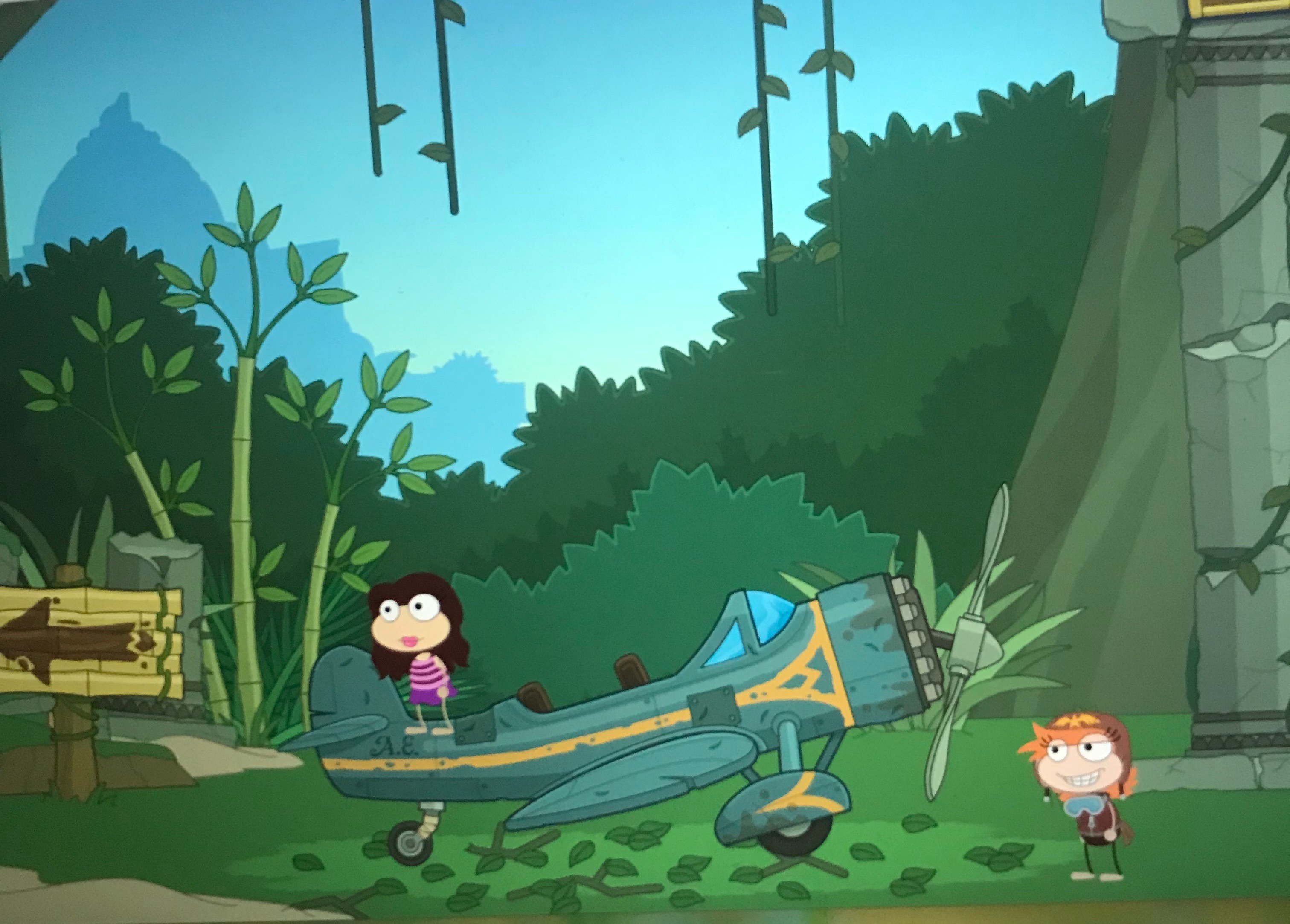
The airplane crashed in the jungle and has the initials “A.E.”…could it be Amelia Earhart?

Blog Post 1: Introduction

Hello, my name is Chloe Backman! I am from Broadview Heights, Ohio, which is a quick 25 minutes down the road from John Carroll University.

I have a few unique aspects that make me special. I like to keep myself busy by getting involved with various activities. I have been playing the oboe for the past 11 years, and play in the wind ensemble here at JCU. I am also a member of Chi Omega Sorority, the Leadership Scholars Program, and CSSA. In my free time, I enjoy working out, binging Grey’s Anatomy, and hanging out with my friends.

I consider myself to be a visual learner as I like to see what is being discussed. I also like to refer to examples and ask questions as needed. I am not afraid to speak up in class, which allows me to take intellectual and creative risks in a course.

Tabacbnick and Zeichner’s article, The Impact of the Student Teaching Experience on the Development of Teacher Perspectives, is one that interests me as a preservice teacher. It depicts the questions that arise with respect to how much influence student teaching plays in the teacher socialization process. The article argues that student teaching has a significant impact on the development of teachers, which is an effect which is strengthened during the early years of a teacher’s career. As a pre-student teacher, I believe that I will soon have more experience that help shape who I am as a teacher, so I agree with what is stated in the article. I am ready to see what is out there for me in the world of teaching!

Work Cited: Robert Tabacbnick, B., & Zeichner, K. M. (1984). The Impact of the Student Teaching Experience on the Development of Teacher Perspectives. Journal of Teacher Education35(6), 28–36. https://doi.org/10.1177/002248718403500608A

When it comes to technology, I struggle to understand much of how it works. I am interested to see how technology is related to education and to discuss the correlation between the two subjects. I am curious as to how this will be done, and I am confident that this question will be answered during the semester.